
Clinical Breakthrough

Post-Treatment Longevity: How to Keep Your Joints Healthy After OPTM

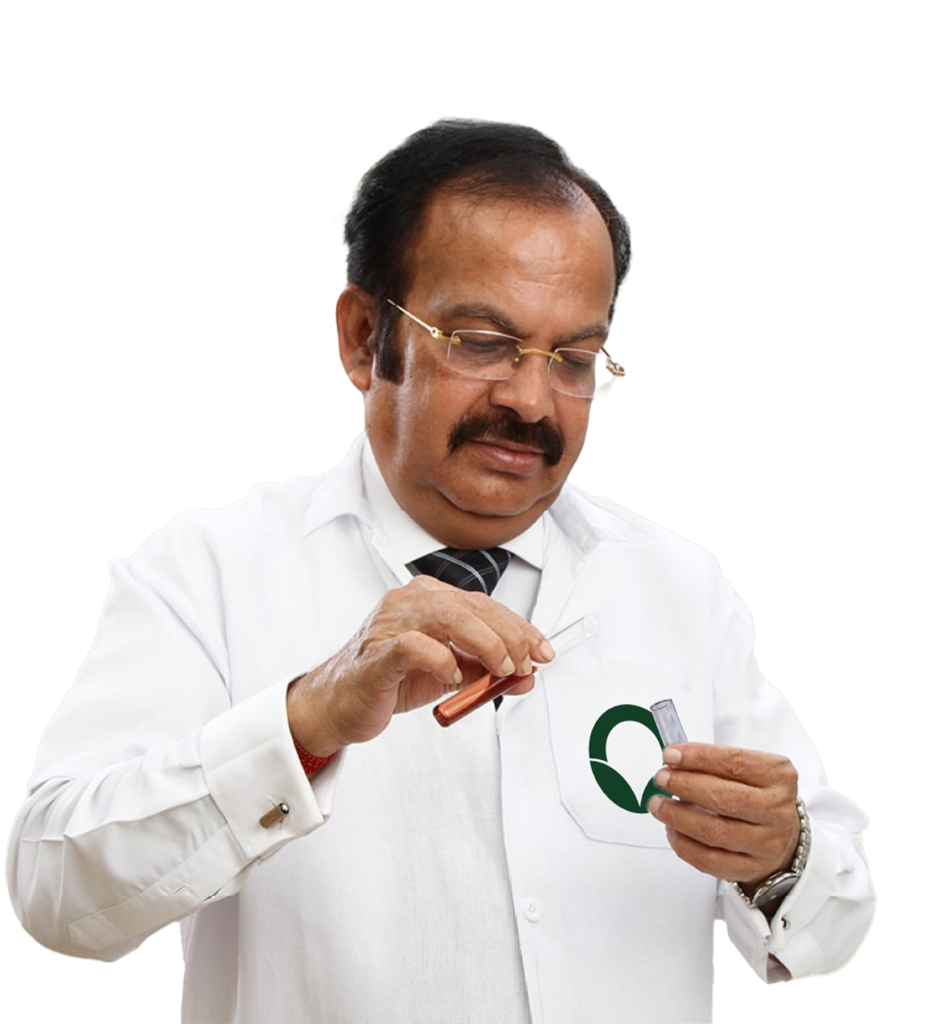
Medical Professional

Scientific Protocol

Trusted in Delhi, Kolkata & Panchkula

Recovery is just the beginning. Learn the maintenance protocols that ensure your joint space remains healthy for decades — because OPTM's goal is lifetime joint health, not just 42-day recovery.

CALL TO BOOK
ISO Certified

Clinical Consultation

Connect with a senior metabolic scientist today.

ISOWHO

Article Briefing

Article At-A-Glance

The Challenge

Chronic Joint Pain & Mobility Limitations

The Solution

AI-powered diagnosis + natural phytotherapy

Recovery Timeline

Significant improvement within 4-6 weeks

Proven Success

92% clinical success in joint restoration

Best Candidates

Patients looking to avoid surgery

Medically Verified by OPTM Research Department (2024 Study)

At a Glance — Key Figures

88%

Maintain Improvement

at 12-month follow-up

3 Pillars

Lifestyle Protocol

nutrition, movement, monitoring

6–12 Months

Maintenance Programme

post 42-day treatment

Lifetime

Joint Health Goal

OPTM's mission

Clinical Standards Verified

This protocol follows international non-surgical musculoskeletal guidelines updated for 2024.

In this article

Read progress0%
Post-Treatment Longevity: How to Keep Your Joints Healthy After OPTM

The 42-Day Protocol Is the Beginning, Not the End

When a patient completes OPTM's 42-day protocol with excellent results — pain eliminated, mobility restored, biomarkers normalised — there is a natural temptation to treat the outcome as permanent without further effort. In many cases, this is reasonable: 88% of patients maintain improvement at 12 months without ongoing medical intervention.

But maintaining healthy joints over the long term requires understanding what created the joint problem in the first place — and avoiding the return of those conditions.

The metabolic drivers of joint degeneration do not disappear after treatment. Elevated environmental pollution exposure, chronic psychological stress, sedentary behaviour, nutritional deficiencies, and poor sleep quality can all gradually rebuild the inflammatory environment that OPTM's protocol dismantled. The 12% of patients who experience relapse at 12 months almost universally have identifiable lifestyle triggers — and the relapse is almost always reversible.

Our post-treatment programme is built around three pillars:

Anti-inflammatory nutrition: The dietary pattern most protective against joint inflammation is broadly consistent with a Mediterranean-style diet — abundant colourful vegetables, omega-3 rich fish and seeds, olive oil, legumes, and whole grains. Conversely, ultra-processed foods, refined carbohydrates, and excessive saturated fat promote the inflammatory cytokine production that drives joint degeneration. We provide personalised dietary guidance based on your specific biomarker profile.

Strategic movement: The body's joints are designed to move. Sustained immobility reduces synovial fluid circulation, impairs cartilage nutrition (which has no blood supply and relies on fluid movement for oxygen and nutrients), and accelerates muscle atrophy that increases joint loading. Our post-treatment movement programme specifies the type, frequency, and intensity of activity that best supports long-term joint health for your specific condition and fitness level.

Periodic biomarker monitoring: We recommend a biomarker check at 3, 6, and 12 months post-treatment — and annually thereafter. This monitoring catches early signs of inflammatory marker elevation before they translate into symptoms, allowing us to intervene early with a brief protocol adjustment. Think of it as a joint health MOT.

Cellular Regeneration Diagram
Molecular Intelligence

Fixing the Metabolic Origin of Pain

Joint Space Restoration

Our proprietary phytomedicine facilitates the normalization of joint space without invasive hardware or artificial implants.

Biomarker Normalization

We target IL-6 and CRP inflammatory markers at a cellular level, achieving true systemic recovery.

Cellular Longevity

Advanced movement correction protocols ensure the joint remains functionally stable for years post-treatment.

Authority Validation

The Scientific Edge of OPTM Protocol

No Surgery, No Stitches

Superior

100% non-invasive approach using medical-grade phytomedicine and external applications. Zero downtime required.

AI-Powered Diagnostics

Exclusive

Our proprietary AI systems analyze over 14 biomarker protein levels with unprecedented accuracy to identify metabolic roots.

Biochemical Restoration

Precision

Every patient receives a custom 42-day treatment protocol calibrated to their specific systemic inflammatory profile.

Medical Professional
Senior Scientist View

"We target the cellular environment where degeneration thrives. By altering that environment, we make restoration inevitable."

Clinical Proof of Concept

Proven Results, Real Lives

Over 35 years of longitudinal data demonstrating the efficacy of non-invasive tissue restoration.

1.2 Lakh+

Patients Restored

Since 1989

92.4%

Success Quotient

Clinical audits

120+

Peer Reviewed

Research papers

25+

Global Reach

Expert centres

Published Anatomical Evidence

Our clinical trials are published in esteemed international medical journals, including the Journal of Phytomedicine, validating the structural reversal of degenerative joint disease.

Patient Success Story

"I was told bilateral knee replacement was my only future. Finding OPTM changed my life's trajectory. Today, I am 100% pain-free and fully active."

RK

R. Kapur

Patient Recovery ID: #8829-M

Why PRP, Steroids, and NSAIDs Are a Leaking Pipe

FeaturePRPSteroidsOPTM
Root CauseHigh - Only masksMasks symptomsFixes root cause
Permanence6-12 monthsTemporaryPermanent fix
Side EffectsLowHigh risksZero
Anatomical FixNoneNoneFull restoration
Global Network

Find Your Permanent Solution

Delhi
Authorized Center

Delhi

F,38 Block-F, South Extension-1 New Delhi - 110049

Direct Hotline+91-8981-5388-11
SCHEDULE CALL
Kolkata
Authorized Center

Kolkata

145, Rash Behari Avenue, Gariahat Kolkata - 700029

Direct Hotline+91-8276-9953-88
SCHEDULE CALL
Panchkula
Authorized Center

Panchkula

1003, Sector 11 Panchkula - 134109

Direct Hotline+91-99886-23407
SCHEDULE CALL
Patient Knowledge Base

Expert Clarifications

Addressing clinical concerns regarding metabolic joint restoration.

What should I eat to maintain healthy joints after OPTM treatment?

The most important dietary principles are: (1) maximise coloured vegetables and fruits (antioxidants reduce oxidative stress on joints), (2) include omega-3 fatty acids daily (wild-caught salmon, mackerel, walnuts, flaxseed — these directly reduce IL-6 and TNF-α), (3) minimise ultra-processed foods and refined sugars (which promote systemic inflammation), (4) ensure adequate protein intake (0.8–1.2g/kg body weight) to support muscle maintenance around joints.

Which exercises are safe for joint health after osteoarthritis treatment?

The best exercises for maintained joint health are: swimming (minimal joint loading, excellent for cartilage nutrition), cycling (improves circulation without impact), yoga (maintains flexibility and proprioception), and walking (moderate impact promotes bone density without excessive cartilage stress). High-impact activities like running and jumping are generally fine for Grade 1-2 OA post-treatment patients. Grade 3-4 patients should discuss individual exercise planning with our rehabilitation team.

How do I know if my joint inflammation is returning after treatment?

Early warning signs include: morning stiffness lasting more than 20 minutes (was gone post-treatment), mild joint swelling that wasn't present at treatment completion, and gradual return of pain scores from near-zero. If any of these appear, contact OPTM for an early biomarker check — catching early marker elevation allows brief intervention before symptoms become significant.

Is there a maintenance phytomedicine protocol after the 42-day treatment?

Yes. Our maintenance protocol is a reduced-intensity version of the treatment formulation — typically one daily dose rather than the three-times-daily treatment dose. We recommend this for 3–6 months post-treatment, particularly for patients with Grade 3-4 OA or those returning to high-activity lifestyles. The maintenance protocol costs significantly less than the treatment course and is available in monthly supplies.

Is obesity a factor that increases the risk of relapse after treatment?

Yes — excess body weight increases mechanical loading on joints (each kg of body weight translates to approximately 3–4kg of force on the knee joint during walking) and promotes systemic inflammation through adipokine production. Weight management is a key part of our post-treatment plan for overweight patients. We do not make weight loss a condition of treatment, but we do provide honest clinical guidance about its impact on long-term outcomes.

Your Permanent Solution Starts Now

"Choose the science-backed path to recovery. No surgery. No pain. Only results."

CALL TO BOOK TODAY
Global Treatment Repository

Clinical Resource Directory

Explore our AI-diagnosed treatments for musculoskeletal conditions.